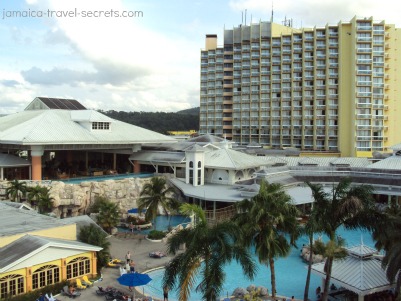
All inclusive hotels are the dominant form of tourist accommodation in Jamaica, particularly in the resort areas of Negril, Ocho Rios, Trelawny and Montego Bay. The principle is easy to state: a single price covers a room, meals, drinks and entertainment so that guests do not have to pay for the basics during their stay. In practice, though, the details vary from one resort to the next, and what is free at one property may carry a charge at another. This page sets out what to check.
Where the idea came from
The format is generally traced back to the Club Med villages that appeared in the 1950s. In Jamaica, the model was introduced in 1978 by Abe Issa through the Couples resort at Tower Isle, near Ocho Rios. Since then, most large hotels on the island have adopted some version of the all inclusive package. For the names of individual properties, see the list of all inclusive resorts.
Choose the type of resort first
Adults only. These resorts accept guests aged eighteen or over in any combination, with rooms usually limited to four people. Some have a relaxed attitude to nudity, so it is wise to read the property’s policy.
Couples only. Rooms are normally for two guests, with an emphasis on romance. Extras such as a spa, candlelit dinners and decorated rooms are common.
Family. Once thought of as the preserve of couples, all inclusive holidays are now mostly aimed at families. Rooms often sleep five or six, children cannot stay alone, and buffets and snack bars are widespread.
What is usually included, and what often is not
Rooms. The room is always part of the rate. Many contain a refrigerator whose contents are free and can be restocked daily, while a separate in-room snack bar may be charged, so ask first. Irons, hair dryers, safes, towels and toiletries are provided to use during the stay.
Meals. The word “inclusive” does not always mean unlimited eating. Some places serve only set meals, and others allow unlimited buffet visits but charge for specialty restaurants. A truly inclusive property lets guests eat at any hour, in any restaurant.
Entertainment. Daytime activities and evening shows are included, and good resorts avoid repeating the same programme on consecutive nights. Many have a disco with drinks included. As always, drink responsibly.
Bars. Soft drinks are free, and premium spirits may cost extra at some resorts. Several of the larger chains include every kind of drink at any hour.
Spa. The steam room is often free, but massages, manicures, pedicures and facials are almost always extra.
Shops and photography. Gift shops charge for items, and professional photographers do too, although it is worth asking about specials.
Kids’ club. Supervised children’s activities during the day are normally free, with a charge for night-time babysitting.
Water sports. Non-motorised activities such as kayaking and paddle boarding are usually free. Scuba diving and jet skis may cost extra, though some hotels include diving. Check before booking.
Tours and attractions. A growing number of resorts add a complimentary local excursion, and most will help arrange transport to other attractions.
Golf. Courses are not typically part of the rate, but some resorts supply transport and green fees, leaving caddies as the only cost.
Room service. Not universal, though several brands offer it, some around the clock.
Weddings. A honeymoon room upgrade is commonly offered. Officiant fees, photography, video, food and drink for the celebration are billed separately.
Butlers. Butler service is typically tied to a certain room category and, though increasingly popular, remains limited to a small number of properties.
Internet. Smaller hotels often offer free wifi, while larger all inclusive resorts have been slower to do so.
Medical help. A nurse can usually provide basic care and common remedies. Seeing a doctor is charged, and the hotel generally helps arrange transfers if a hospital visit is necessary.
Meetings. Conference rooms are available at extra cost.
Choosing between resort tiers
Not all inclusive resorts are equal. Entry-level properties may restrict some drinks or limit meals to buffets, while premium ones often include à la carte dining, top-shelf spirits, room service and extras such as butlers. The difference in price usually reflects what the resort includes, so compare the inclusions rather than the headline rate. Reading the fine print on items such as tips, taxes, airport transfers and resort fees avoids surprises.
Questions to ask before you book
- Which restaurants and bars are included, and at what hours?
- Are premium drinks and specialty dining covered?
- Which water sports, spa services and tours cost extra?
- Are there age or occupancy rules for my group?
- Is wifi included, and where on the property?
Answering these in advance makes it far easier to compare resorts fairly. Related reading: the resort guide and the page on travelling to Jamaica.