Best Places to Visit in Jamaica: Beaches, Mountains and Towns
30,000 rooms
Transportation

Attractions
I am
The best places to visit in Jamaica fall into four groups: the beach towns of the north and west, the green Blue Mountains in the east, the lively capital of Kingston, and the quieter south coast. Which suits you depends on whether you want sand, scenery, culture or calm, and the island is small enough to combine two or three.
Travel note (checked October 2026): Western Jamaica was hit hard by Hurricane Melissa in October 2025. The UK Foreign, Commonwealth and Development Office (FCDO) travel advice, last updated 6 May 2026 and confirmed current on 22 October 2026, says all western parishes suffered significant damage and that some communities still lack electricity and piped water. Many hotels and attractions have reopened, but some are still closed or reopening in phases, so check current FCDO or US State Department advice and confirm openings with your hotel or operator before you travel.
This list is organized by region so you can see what is near what. Distances by road can be slower than they look on a map, because many routes are winding and traffic can be heavy, so allow generous travel time.
Negril: long beaches and cliffs
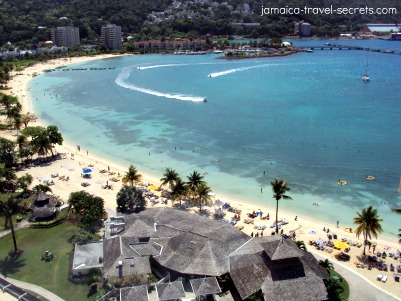
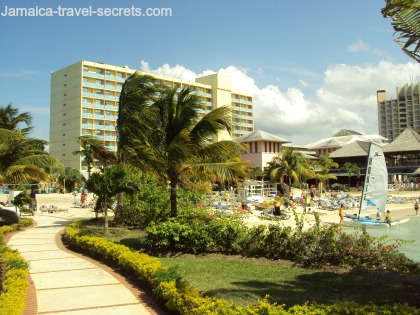
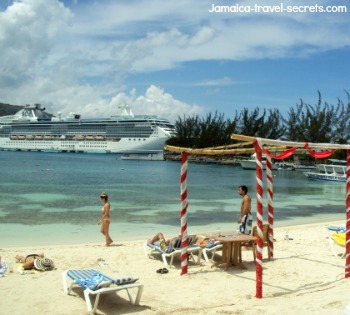
Negril, on the far west coast, is known for a long stretch of white sand, often called Seven Mile Beach, and for a line of cliffs to the south where visitors watch the sunset. The water is generally calm, and the town is a base for snorkelling, diving and boat trips.
Negril is relaxed compared with Montego Bay and is a popular choice for those who want beach time without a heavy itinerary.
Negril lies in the area affected by Hurricane Melissa. Trade press reported in December 2025 that most Negril hotels had reopened, and Royalton Negril reopened on 25 August 2026 (Travel Market Report, 27 August 2026), but individual properties, restaurants and tours differ, so confirm what is open before you book.
Montego Bay: the main gateway
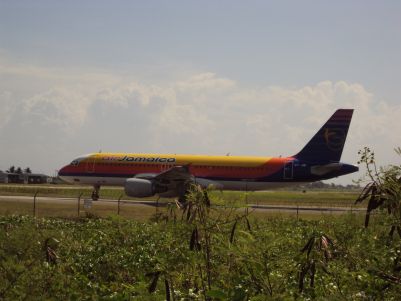
Montego Bay, often called Mo Bay, is home to Sangster International Airport, so many visitors pass through. The city has beaches such as Doctor’s Cave Beach, a long-established public beach, and a busy strip of restaurants and shops. It is also a base for day trips inland to rivers and plantation houses.
Montego Bay was among the areas most affected by Hurricane Melissa. Some resorts there, including Sandals Montego Bay and Zoetry Montego Bay, were listed as reopening later in 2026 (Travel Market Report, 27 August 2026), and Sangster airport is still completing post-hurricane repairs to parts of its terminal roof and other facilities while operating with reduced passenger numbers and expanding (The Gleaner, 3 July 2026). Check flight and hotel status before you go.
Ocho Rios and Dunn’s River Falls
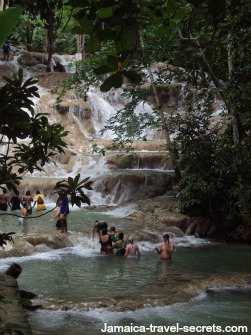
Ocho Rios on the north coast is a cruise port and a hub for sightseeing. The best-known attraction is the cascading waterfall near the town, covered in detail in our page on Dunn’s River Falls. Visitors can climb the terraced rocks with a guide, and sturdy water shoes help on the wet stone.
Other attractions in the area include botanical gardens and the Blue Hole near Ocho Rios, a series of natural pools. Entry arrangements and prices change, so check operators before you go. Ocho Rios is on the north coast, outside the western parishes the FCDO describes, but it is still wise to confirm opening hours.
Port Antonio: green and slower
The northeast around Port Antonio is wetter and greener than the rest of the island, with rainforest, rivers and quieter coves. The Blue Lagoon, a deep, sheltered bay, is one of the area’s well-known sights. This region suits visitors who prefer a slower pace and are happy to travel by road for hours.
The Blue and John Crow Mountains
Rising above Kingston, the Blue Mountains reach 2,256 metres at Blue Mountain Peak, the island’s highest point. The Blue and John Crow Mountains National Park was inscribed as a mixed natural and cultural World Heritage Site by UNESCO in 2015. The cultural side recognises the history of the Maroons, descendants of formerly enslaved people who lived in the mountains.
Hikers often start before dawn to see views from the peak, and the area is also known for the coffee grown on its slopes. Weather is cooler and wetter at altitude, so pack layers and rain protection.
Kingston: music, food and history
Kingston is the capital and the centre of Jamaican music and politics. Visitors go to see museums, galleries and historic buildings, and to eat in the city’s restaurants and street stalls. The Bob Marley Museum on Hope Road occupies the singer’s former home and is one of the most visited sites.
Kingston is busy and has areas that call for careful local advice, so it is best explored with a driver or guide who knows the city.
The south coast: Treasure Beach and the Black River
The south coast is drier and quieter than the north, with fishing villages, rocky bays and fewer large resorts. Treasure Beach is known for a relaxed, community feel and for its sunsets. Nearby the Black River allows boat trips through mangrove wetlands, and YS Falls offers waterfalls and natural swimming areas. St Elizabeth, in the south-west, may have been affected by the hurricane; we could not confirm the current status of individual attractions there, so check with operators before you plan boat trips or visits.
Quick comparison
| Area | Best for | Pace |
|---|---|---|
| Negril | Beaches, sunsets, diving | Relaxed |
| Montego Bay | Airport access, day trips | Busy |
| Ocho Rios | Waterfalls, attractions | Busy, touristy |
| Port Antonio | Rainforest, rivers | Slow |
| Blue Mountains | Hiking, coffee, views | Cool, quiet |
| Kingston | Music, history, food | Urban, lively |
| South coast | Villages, wildlife | Quiet |
Planning tips
- Choose two bases rather than five. Long drives eat the day.
- Book transport with licensed operators, and agree on routes beforehand.
- Check the hurricane season, which runs from June to November in the Atlantic, if travelling then, and check current official advice for western Jamaica. The page on weather in Jamaica covers seasons and what to expect.
- Keep copies of travel documents.
For an overview sorted by type of attraction, see the broader guide to tourist attractions in Jamaica.
Frequently asked questions
What is the best part of Jamaica for a first visit?
Many first-time visitors choose Negril or the Ocho Rios area, because both have beaches and major attractions close at hand. If you choose Negril or Montego Bay in the months after Hurricane Melissa, confirm that your hotel is open and ask about water, power and tours first. If you want mountains or culture, add Kingston or the Blue Mountains.
How many days do I need?
A week allows you to see two regions at a relaxed pace. Ten days gives room for the Blue Mountains or the south coast as well.
Is it easy to get around the island?
Roads are generally passable but can be slow and winding. Many visitors use organised transfers or hire a driver, while self-drive visitors should prepare for left-hand driving.
When is the best time to visit?
The drier months from roughly December to April are popular, but conditions vary by region and year. Check forecasts from official weather services before you travel.
Where to start
Pick the one place that matches your main reason for travelling, then add neighbours around it. For more on the island’s planning basics, go to the home page.