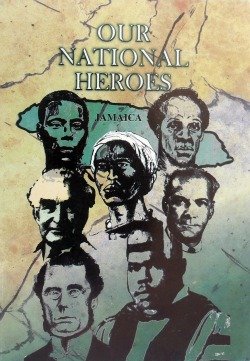
Jamaica honours seven people with the title of National Hero: six men and one woman. They came from different centuries and backgrounds, yet they shared a common cause. Each stood up for the poor, for equal rights, for justice and for peace. Their legacy is a major part of how Jamaicans understand their independence, and it is a good starting point for visitors who want to appreciate the island’s history.
Heroes Day
National Heroes Day falls on the third Monday of October. Every year, public debate arises over who else might deserve the Order of National Hero. That conversation usually fades once people compare candidates with the existing seven, because the honour is not awarded for a single act, but for sustained deeds of rare vision, courage and sacrifice. Many of the heroes paid with their lives. Since 1973, they have been commemorated at National Heroes Park in Kingston, where anyone can pay respects.
The seven heroes
Sir Alexander Bustamante (1884 to 1977)
Known as an unquestioned champion of the working class, Bustamante founded the Jamaica Labour Party and supported universal adult suffrage. In the 1920s and 1930s, unemployment fuelled social tension. He became widely known after he wrote letters about those concerns to the Gleaner and to British newspapers. After independence in 1962, he became Jamaica’s first prime minister.
Norman Washington Manley (1893 to 1969)
Founder of the People’s National Party, Manley was a leading voice for independence from Britain. Born in Manchester parish, he was outspoken, which may reflect his background as a soldier and lawyer. He was a well-known supporter of the Federation of the West Indies and believed firmly that people should have a say in who governs them.
Paul Bogle (c. 1822 to 1865)
A Baptist deacon, Bogle led the Morant Bay Rebellion, a protest against poverty and injustice. Hundreds of lives were lost, over five hundred according to this account, but the uprising led to changes in the law and lifted the morale of ordinary people.
George William Gordon (c. 1820 to 1865)
A landowner in St. Thomas, Gordon spoke out against unfair working conditions and oppression. His mother had been enslaved and his father was a wealthy planter. He divided his land into small plots and sold them cheaply so poor families could farm independently, grow crops and sell them. He took part in the events at Morant Bay.
Marcus Mosiah Garvey (1887 to 1940)
Garvey campaigned for independence and against racial discrimination. His work as a printer and publisher took him around the world, where he saw varied social and economic conditions. He founded the Universal Negro Improvement Association in Jamaica, and at one stage he formed a political party of his own.
Samuel Sharpe (1801 to 1832)
Affectionately called “Daddy” Sharpe, he was the organiser behind the 1831 rebellion that preceded the abolition of slavery in 1838. He used religious gatherings to spread the message of freedom and planned a general refusal to work beginning on Christmas Day 1831. The protest was meant to be peaceful but became violent, with estates burned. The account here says around 500 enslaved people and about 14 white people died. An abolition bill followed in 1834, and slavery ended in 1838. Sharpe was hanged in 1832, having said he would rather die than live in slavery.
Nanny of the Maroons (c. 1686 to 1733)
A fearless Maroon leader, Nanny used guerrilla tactics that bewildered British forces, and a peace treaty between the Maroons and the British was signed in 1739. She upheld African traditions in dance, song and dress. Some believed her influence over her people had a spiritual dimension. Today she is held up as a model of dedication and leadership for Jamaican women.
Why they matter
Remove any one of these figures and the path to independence would look different. They are a reminder that political change in Jamaica was won through organising, writing, preaching and, at times, armed resistance. For more about the country’s institutions, read about the capital and the economy. Heroes Day also appears in the island’s events calendar.