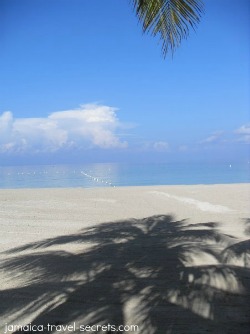
Climate is the main reason many people choose Jamaica. The island has a tropical marine climate, which means that sea breezes soften the heat by day and cool the land at night. Altitude also plays a part: the mountains are cooler than the coastal plains in every season. Temperatures at sea level mostly sit between about 80 and 90 degrees Fahrenheit (27 to 32 degrees Celsius), and long wet spells are unusual. Most visitors find that the weather is rarely a reason to cancel a beach day.
Monthly climate figures
The averages below are those quoted in the original guide.
| Month | Avg. high (°F) | Avg. low (°F) | Rain (inches) | Days with rain (%) |
|---|---|---|---|---|
| January | 82.3 | 74.2 | 2.7 | 36 |
| February | 82.3 | 74.3 | 1.8 | 34 |
| March | 83.7 | 75.0 | 2.3 | 29 |
| April | 85.0 | 76.4 | 2.5 | 31 |
| May | 86.5 | 78.0 | 5.9 | 42 |
| June | 88.0 | 78.7 | 5.5 | 40 |
| July | 88.4 | 78.2 | 2.9 | 30 |
| August | 88.5 | 78.3 | 5.2 | 35 |
| September | 87.9 | 77.9 | 6.1 | 47 |
| October | 86.7 | 77.6 | 7.4 | 47 |
| November | 84.9 | 77.0 | 5.5 | 45 |
| December | 83.1 | 75.0 | 3.6 | 39 |
Seasons at a glance
Summer (July and August). The hottest months, with highs near 88 degrees. Ideal for beach days, volleyball and excursions, although a few showers can be expected.
Winter (December to February). The coolest time of year, but “cool” is relative. Winters are mild compared with New York, Miami, England or Canada. Evenings feel noticeably fresher, so a light sweater is useful. In the mountains, a jacket is a sensible addition: Blue Mountain Peak, the island’s highest point, is its coldest, and there have been reports of snow there.
Windy months (March and April). On the north coast, wind can interfere with water sports such as scuba trips, parasailing and snorkelling. Negril and the Kingston area are more sheltered and usually better for time on the water.
Rainy season. Rain peaks in May and June and again in October and November, occasionally stretching into December. Showers are normally short, often ten to thirty minutes, and followed quickly by sunshine. Annual rainfall on the island is large, but it is the reason the landscape is so green. Kingston and Port Antonio receive rain from the Blue Mountains, and the other resort areas see relief rainfall from the hills too.
Hurricane and storm season
The Atlantic hurricane season runs from 1 June to 1 November. Jamaica has been hit directly only occasionally over the last century. Notable storms named in the original guide are Gilbert in 1988, Ivan and Charley in 2004 and Gustav in 2008. More often, the island feels the outer effects, such as wind and brief heavy rain. The calmest months for outdoor plans are generally the first and last of the season, while August, September and October are when tropical storms are most likely to appear.
Many resorts, especially all inclusive ones, run hurricane guarantee schemes that offer a replacement stay if a storm disrupts a holiday, and hotels often cut rates substantially at this time. Check the terms with the property and keep an eye on airline and airport advisories. See all inclusive resorts for more on accommodation.
Month-by-month notes
- January: cooler than February and December, with rain on roughly ten days.
- February: a sunny, drier month, with highs occasionally reaching 85.
- March: about seven to nine rainy days, mostly later in the month. A very good month to travel.
- April: warmer than March, with a lower chance of rain. Showers are most likely around Easter.
- May: wet, windy and humid, with rain on about half the days.
- June: hurricane season begins, but there is less rain than in May.
- July: often the best summer month, with a comparatively low chance of rain.
- August: the hottest month.
- September: the rainiest stretch, with fewer crowds and some of the biggest hotel discounts.
- October: heavy rain at the beginning and end, sometimes for several days at a time.
- November: the weather begins to change by mid-month, with more rain towards the end.
- December: relatively warm and busy, with light rain on a number of days.
The best time to visit
For the driest, sunniest weather, plan on December to April. The trade-off is that this is also high season, and December in particular is expensive. Travellers who book several months ahead can pick up discounts, which hotels often release in late summer. September to November has the highest probability of rain but also the lowest prices and quietest beaches.
Packing for the climate
Light, breathable clothing suits most of the year. Add a swimsuit, sun protection and a hat for the coast, a light rain jacket for the wet months, and a sweater for evenings in winter or for the hills. If you plan to hike in the Blue Mountains, take a warmer layer and sturdy shoes.
Before travelling, check a current forecast. See the notes on getting around for transport planning, and the tourist attractions that suit each season.